How Thermal Management Shapes Pod Device Stability
Time
Click Count
How Thermal Management Shapes Pod Device Stability
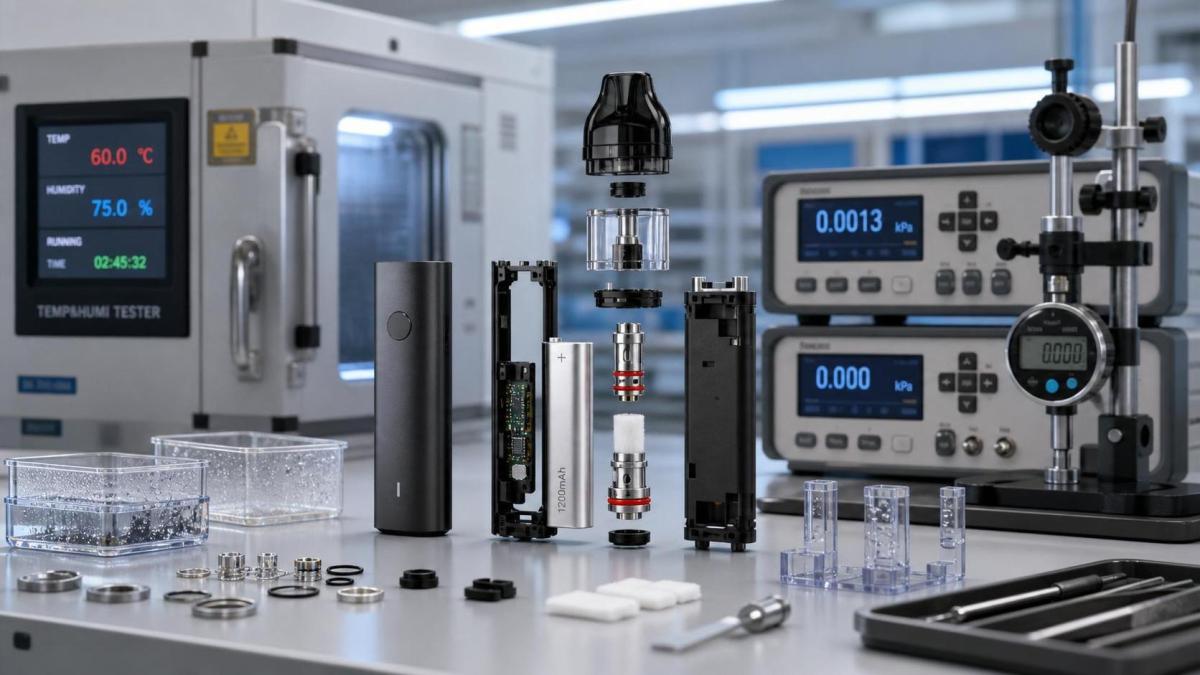
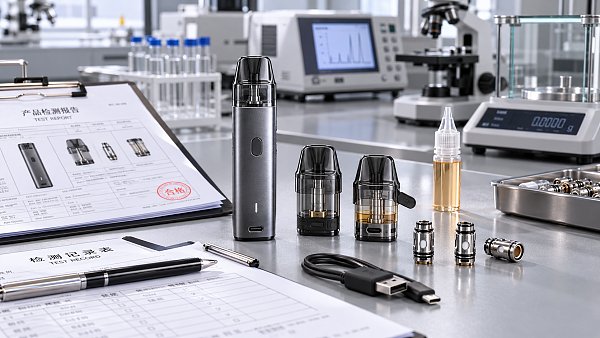
In pod devices, thermal stability is not a secondary engineering topic. It sits at the center of consistency, safety, leakage control, and long-term product reliability.
For teams building regulated nicotine hardware, vape thermal management systems influence nearly every performance decision. That includes coil behavior, battery stress, pod sealing, aerosol repeatability, and manufacturing tolerance.
This matters even more in compact pod devices. Small enclosures leave less room for heat dispersion, airflow balancing, and material error.
From a project delivery angle, unstable temperature control often appears first as a field complaint. Burnt taste, condensation, leaking, weak output, and charging heat usually share the same root logic.
That is why effective vape thermal management systems should be treated as a platform capability, not just a component feature.
Why Thermal Behavior Defines Pod Device Performance
A pod device works through a tight interaction between battery output, coil resistance, wick saturation, airflow, and liquid properties. Heat links all of them.
When heat rises too quickly, the wick can dry locally before liquid replenishment catches up. That creates harsh aerosol, flavor distortion, and carbon buildup.
When heat spreads poorly, nearby plastics, seals, and pod joints face repeated thermal stress. Over time, dimensional change can weaken sealing performance.
When heat remains too low, aerosol generation becomes inconsistent. Users then compensate with longer puffs, which can increase battery load and fluid imbalance.
In practice, vape thermal management systems determine whether a pod device stays inside its intended operating window across puff cycles, ambient conditions, and liquid viscosities.
This also affects validation work. A device that performs well in one room may fail under transport heat, cold starts, or long puff sequences.
Where Vape Thermal Management Systems Create or Reduce Risk
The most common problems do not come from one part alone. They emerge from small mismatches across the thermal path.
1. Coil and wick interaction
Ceramic coils, mesh coils, and cotton-based wicks respond differently to ramp-up speed and heat retention. A stable design must match liquid delivery to heat generation.
If the thermal mass is too high, response feels slow. If it is too low, localized overheating becomes more likely.
2. Battery loading and discharge heat
Compact batteries in pod devices face pulse discharge stress. Poor thermal balancing can raise internal temperature during heavy use or fast charging.
That reduces cycle life and can complicate battery safety targets. In regulated markets, this is not only a quality issue but a compliance issue.
3. Pod sealing and condensation
Heat gradients drive condensation. Condensed liquid can collect near airflow channels, contacts, or sealing points, then appear as leakage.
Many teams treat leakage as a filling problem first. Often, vape thermal management systems are part of the real correction path.
4. Housing materials and user touch temperature
Shell materials influence both heat spread and perceived temperature. A design can be technically safe yet still feel too hot in hand.
That gap matters in commercial launches because user comfort directly affects return rates and product reviews.
Design Choices That Improve Thermal Stability
Better pod device stability usually comes from coordinated design choices rather than one dramatic fix. The strongest vape thermal management systems are built early.
- Use coil structures with predictable heat distribution, especially when targeting repeatable puff output across different liquid formulations.
- Match wick capillarity to the target power curve, not only to nominal resistance.
- Separate high-heat zones from sensitive seals, magnets, and electrical contacts wherever enclosure space allows.
- Tune airflow to remove excess heat without creating aerosol instability or excessive condensation.
- Choose housing polymers, metals, and internal supports based on thermal aging behavior, not just cost and appearance.
- Add firmware limits for puff duration, overheating protection, and abnormal resistance shifts.
From recent product changes across the industry, the clearer signal is integration. Hardware, firmware, and manufacturing process control now need to work as one thermal strategy.
Materials and Manufacturing Matter More Than Many Teams Expect
Even a sound design can lose stability in production. Small process variation can change how vape thermal management systems behave in real units.
Coil assembly tension, ceramic density, wick placement, adhesive cure behavior, ultrasonic welding conditions, and seal compression all influence heat paths.
This is especially important for OEM and ODM programs. Samples may pass engineering review while mass production shifts thermal performance outside the target window.
A practical response is to build thermal checkpoints into process qualification. That means not only electrical tests, but also thermal repeatability checks under controlled puff profiles.
For example, teams can compare shell temperature rise, coil ramp consistency, post-puff recovery time, and condensation formation after sequence testing.
In real business settings, these data points often reveal supplier differences faster than cosmetic inspection or basic resistance screening.
A Practical Evaluation Framework for Pod Device Programs
When reviewing pod devices or new platform concepts, it helps to score vape thermal management systems against a few operational criteria.
This framework keeps discussions grounded. It also helps connect R&D decisions with sourcing, quality, and regulatory planning.
How Thermal Strategy Supports Compliance and Market Reliability
In regulated nicotine hardware, thermal design is closely tied to documentation quality. If vape thermal management systems are poorly defined, test failure investigation becomes slower and less defensible.
Stable heat control supports more consistent aerosol generation, reduced component stress, and cleaner root-cause analysis. That improves confidence during supplier audits and product reviews.
It also strengthens export readiness. Markets focused on product safety increasingly expect evidence of design control, battery risk reduction, and repeatable manufacturing output.
More importantly, strong vape thermal management systems reduce the chance that a commercial issue grows into a regulatory issue. That is a meaningful difference for any multi-market hardware program.
What to Do Next
For pod devices, thermal stability should be reviewed as a system discipline. It connects device design, material selection, manufacturing quality, battery control, and compliance evidence.
A useful next step is to audit current vape thermal management systems against actual failure modes. Focus on leakage, burnt taste, charging heat, output drift, and seal fatigue.
Then align engineering, sourcing, and quality teams around measurable thermal checkpoints. Once those checks are built into development and production, pod device stability becomes far more predictable.
In a market shaped by safety expectations and tighter oversight, that kind of thermal discipline is not extra work. It is a practical route to stronger product performance and lower program risk.
Recommended News
 Oct 27, 2026How tobacco stick manufacturing affects draw resistance consistencyProf. Elena Sterling
 Oct 27, 2026China’s Q3 2026 E-Cigarette Exports Reach $2.859 Billion as UK Shipments Rise 21.6%Mr. Julian Thorne
 Oct 26, 2026When does child-resistant packaging compliance require retesting?Toxicology & Compliance Fellow
 Oct 25, 2026How to factor e-liquid tax into a German vape market entry strategyMr. Julian Thorne
 Oct 25, 2026UK Retailers Warned to Prepare for Vape Age Restrictions Taking Effect on 29 OctoberDr. Silas Vance
 Oct 24, 2026How to set leak detection thresholds for vape pod systemsVape Production Strategist
 Oct 23, 2026What documents verify FDA authorization for vapes sold in the US?Dr. Silas Vance
 Oct 23, 2026Indiana Lifts Restrictions on 334 MR FOG and Lost Mary Products; Elf Bar Still BannedMr. Julian Thorne
 Oct 22, 2026How to assess data quality in a vaping industry intelligence platformMr. Julian Thorne
 Oct 22, 2026PMI Q3 2026 Revenue Hits Record as Smoke-Free Share Tops 40% and IQOS GainsThermal Pyrolysis Expert
 Oct 21, 2026Is a vape certification body required to sell vapes in the UK?Dr. Silas Vance
 Oct 21, 2026Macau Passes Tobacco Law Amendment to Ban E-Cigarettes and New Tobacco ProductsDr. Silas Vance
 Oct 20, 2026How do viscosity changes affect e-liquid filling accuracy?Vape Production Strategist
 Oct 20, 2026Pennsylvania Enforces ENDS Directory Restrictions; Unlisted Products Face SeizureDr. Silas Vance
 Oct 19, 2026How to test vape flavor stability to establish e-liquid shelf lifeAerosol Fluidics Scientist
 Oct 18, 2026How to detect seal leaks during vape component quality testingVape Production Strategist
 Oct 17, 2026How sampling delay affects particle size in aerosol stability testingProf. Elena Sterling
 Oct 16, 2026How to assess demand forecasts in a vaping industry intelligence reportMr. Julian Thorne
 Oct 15, 2026How minimum order quantities affect disposable vape wholesale costsMr. Julian Thorne
 Oct 14, 2026How seal compression affects leak-resistant pod system designVaping Hardware Architect
 Oct 13, 2026What HPHC documentation is required for a vape PMTA submission?Toxicology & Compliance Fellow
 Oct 12, 2026How to assess a vape environmental design manufacturer’s compliance supportDr. Silas Vance
 Oct 10, 2026How to assess nicotine delivery systems compliance before market entryDr. Silas Vance
 Oct 09, 2026How to determine whether child resistant testing meets TPD requirementsToxicology & Compliance Fellow