FDA PMTA Update Tightens HPHCs Aerosol Testing
Time
Click Count
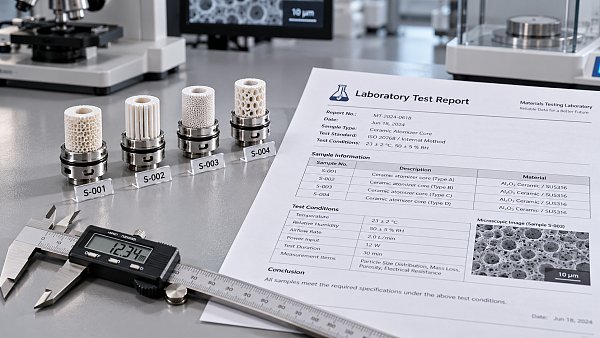
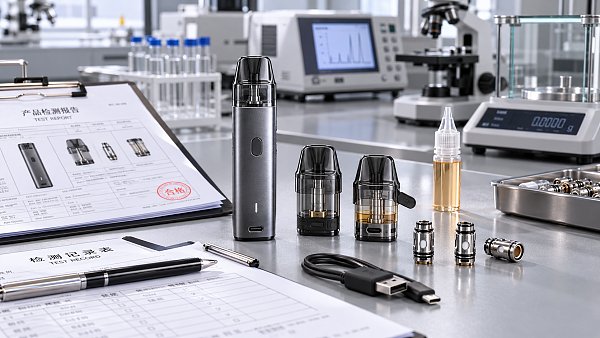
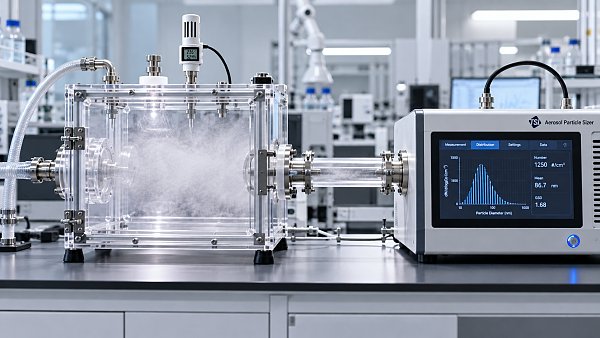
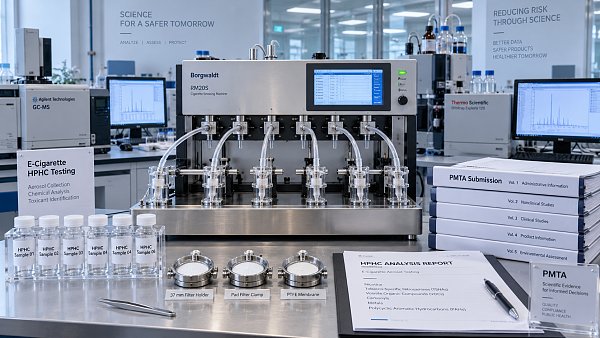
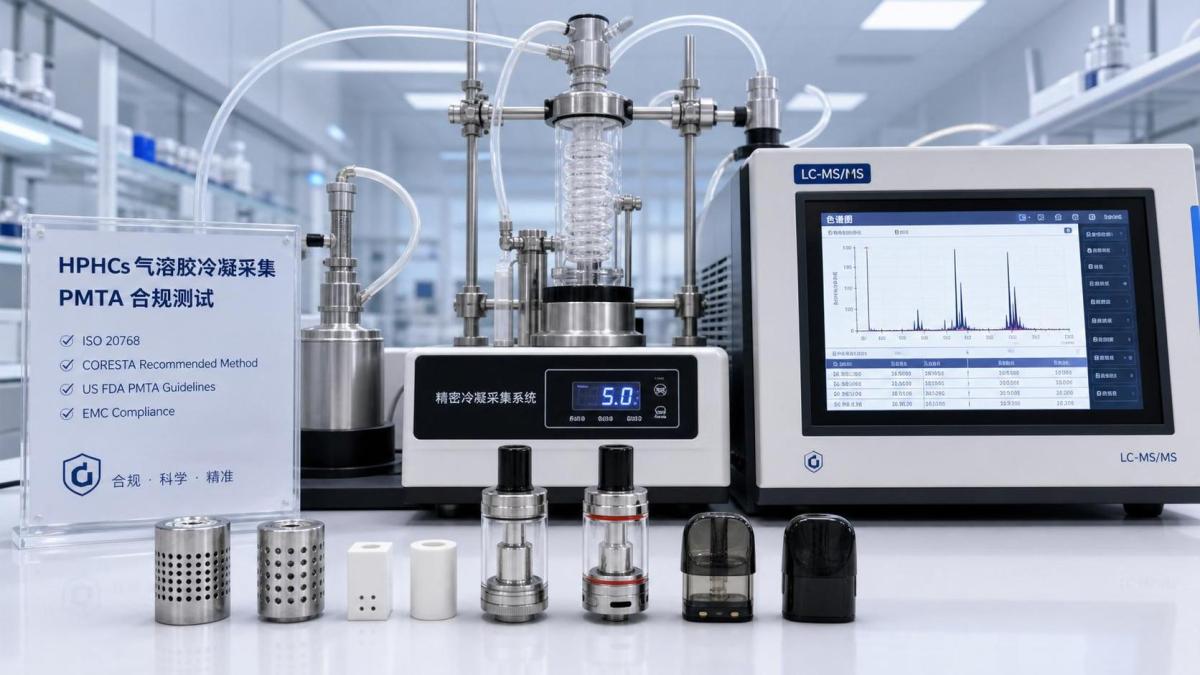
On July 9, 2026, the U.S. FDA released version 3.2 of its supplemental scientific review guidance for PMTA submissions, clarifying that HPHCs testing must rely on condensate collection based on simulated real user inhalation behavior rather than the traditional static heated-plate release method. This is a notable development for manufacturers, testing labs, and supply chain partners involved in Microporous Ceramic Coils, Thick Oil Vaporizers, and Closed Pod Systems, because it directly affects whether existing aerosol toxicity data remains usable in regulatory submissions.
What the FDA Clarified in the New Guidance
The confirmed change is specific to HPHCs testing within PMTA applications. According to the information provided, the FDA's supplemental scientific review guidance (v3.2), issued on July 9, 2026, now requires all PMTA applicants to use a condensate collection approach that reflects simulated real-world inhalation behavior. The previous static heated-plate release method is no longer the referenced basis for this testing requirement in the guidance summary provided here.
The update directly affects the validity of aerosol toxicity data for products including Microporous Ceramic Coils, Thick Oil Vaporizers, and Closed Pod Systems. The provided information also indicates that overseas manufacturers need to revalidate their testing protocols and update laboratory qualifications accordingly.
Where the Immediate Pressure May Appear
Manufacturers with existing PMTA test packages
From an industry perspective, the first impact is likely to fall on companies that have already prepared or are preparing PMTA materials using earlier HPHCs test approaches. If aerosol toxicity data was generated through static release methods, those datasets may face questions over regulatory usefulness. The practical pressure point is not only new testing, but also timing, document consistency, and submission readiness.
Testing laboratories and compliance service providers
Analysis shows that laboratories supporting PMTA work may need to revisit both their operating protocols and their qualification status. Because the guidance specifically shifts the testing basis toward simulated user inhalation and condensate collection, service providers will need to confirm whether their methods, reporting structure, and qualifications align with the updated expectation. For clients, the key issue is whether a lab's current output will still match the revised review standard.
Cross-border supply and commercial coordination
Observably, overseas manufacturers are explicitly within the impact range described in the event summary. That means the effect is not limited to technical teams. Commercial teams, regulatory coordinators, and supply chain partners may all need to account for possible retesting, revised documentation, and changes in delivery assumptions where PMTA-related data packages form part of customer communication or market access planning.
What Companies Should Watch Now
Check whether existing HPHCs data remains fit for submission
What deserves closer attention is the gap between existing test data and the method now described in the FDA guidance summary. Companies should review whether current aerosol toxicity files for relevant products were built on static heated-plate release methods and, if so, where that may create submission risk.
Reconfirm laboratory qualifications and method alignment
The event summary points clearly to laboratory qualification updates. In practical terms, businesses should verify whether partner labs can document capability under the revised testing expectation, especially where PMTA timelines depend on third-party reports.
Separate policy wording from operational readiness
Analysis shows that a guidance change and actual implementation readiness are not the same thing. Even where the regulatory direction appears clear, companies still need to translate that into executable testing plans, report formats, and internal review procedures. This is particularly relevant for firms managing multiple product formats across different technical platforms.
Prepare for customer and partner communication
For exporters and OEM or ODM suppliers, the issue is also commercial. If testing protocols are being revalidated, customers may ask whether prior toxicology-related materials remain acceptable. Early communication around protocol updates, document status, and likely timing changes may reduce avoidable transaction friction.
Why This Looks Like More Than a Routine Technical Edit
Observably, this update is more than a minor wording adjustment because it changes the testing basis tied to HPHCs evidence in PMTA submissions. Analysis shows that the main significance lies in how aerosol condensate is generated for review purposes: the FDA is pointing applicants toward simulated real-use exposure conditions rather than a more static release model.
It is more appropriate to understand this as a concrete regulatory signal with operational consequences, not yet as a fully measurable market outcome. The current information supports a clear conclusion on testing expectations, but broader effects on timelines, costs, and product strategies still require continued observation.
How the Market Should Read This Update
At this stage, the development is best understood as a targeted compliance shift within the PMTA process. Its immediate meaning is strongest for companies whose submissions rely on HPHCs aerosol toxicity data, and especially for product categories already named in the event summary. A neutral reading is that the rule direction is clearer now, while the full commercial impact will depend on how quickly manufacturers and laboratories can adapt their methods and qualifications.
Basis of This Article and What Still Needs Verification
This article is based on the user-provided news title, event date, and event summary. Source types commonly relevant to developments of this kind may include official regulatory notices, company disclosures, industry association updates, authoritative media reporting, and standard-setting documents. A specific official source link was not provided in the input, so the exact original publication and any subsequent clarifications still need to be continuously verified. Follow-up attention should remain on any additional FDA wording, implementation interpretation, and supporting laboratory qualification requirements related to this guidance update.
Recommended News
 Oct 27, 2026How tobacco stick manufacturing affects draw resistance consistencyProf. Elena Sterling
 Oct 27, 2026China’s Q3 2026 E-Cigarette Exports Reach $2.859 Billion as UK Shipments Rise 21.6%Mr. Julian Thorne
 Oct 26, 2026When does child-resistant packaging compliance require retesting?Toxicology & Compliance Fellow
 Oct 25, 2026How to factor e-liquid tax into a German vape market entry strategyMr. Julian Thorne
 Oct 25, 2026UK Retailers Warned to Prepare for Vape Age Restrictions Taking Effect on 29 OctoberDr. Silas Vance
 Oct 24, 2026How to set leak detection thresholds for vape pod systemsVape Production Strategist
 Oct 23, 2026What documents verify FDA authorization for vapes sold in the US?Dr. Silas Vance
 Oct 23, 2026Indiana Lifts Restrictions on 334 MR FOG and Lost Mary Products; Elf Bar Still BannedMr. Julian Thorne
 Oct 22, 2026How to assess data quality in a vaping industry intelligence platformMr. Julian Thorne
 Oct 22, 2026PMI Q3 2026 Revenue Hits Record as Smoke-Free Share Tops 40% and IQOS GainsThermal Pyrolysis Expert
 Oct 21, 2026Is a vape certification body required to sell vapes in the UK?Dr. Silas Vance
 Oct 21, 2026Macau Passes Tobacco Law Amendment to Ban E-Cigarettes and New Tobacco ProductsDr. Silas Vance
 Oct 20, 2026How do viscosity changes affect e-liquid filling accuracy?Vape Production Strategist
 Oct 20, 2026Pennsylvania Enforces ENDS Directory Restrictions; Unlisted Products Face SeizureDr. Silas Vance
 Oct 19, 2026How to test vape flavor stability to establish e-liquid shelf lifeAerosol Fluidics Scientist
 Oct 18, 2026How to detect seal leaks during vape component quality testingVape Production Strategist
 Oct 17, 2026How sampling delay affects particle size in aerosol stability testingProf. Elena Sterling
 Oct 16, 2026How to assess demand forecasts in a vaping industry intelligence reportMr. Julian Thorne
 Oct 15, 2026How minimum order quantities affect disposable vape wholesale costsMr. Julian Thorne
 Oct 14, 2026How seal compression affects leak-resistant pod system designVaping Hardware Architect
 Oct 13, 2026What HPHC documentation is required for a vape PMTA submission?Toxicology & Compliance Fellow
 Oct 12, 2026How to assess a vape environmental design manufacturer’s compliance supportDr. Silas Vance
 Oct 10, 2026How to assess nicotine delivery systems compliance before market entryDr. Silas Vance
 Oct 09, 2026How to determine whether child resistant testing meets TPD requirementsToxicology & Compliance Fellow