FDA PMTA Update Expands HPHCs Testing Scope
Time
Click Count
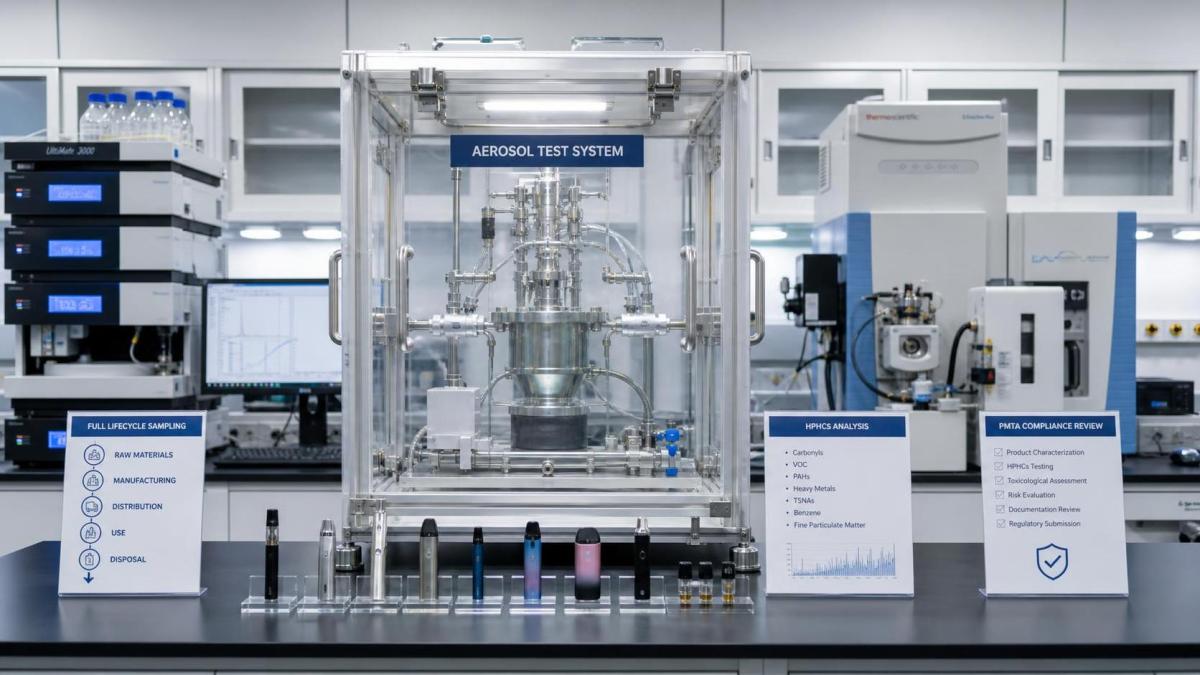
On August 3, 2026, the U.S. FDA released the PMTA Scientific Assessment Supplementary Guidance (v2.4), adding clearer expectations for HPHCs testing in new-generation electronic aerosol devices. The update matters directly to device manufacturers, testing-related service providers, and overseas importers because it ties PMTA preparation more closely to real-use aerosol sampling across a product’s full lifecycle and extends coverage to newer delivery pathways that had become increasingly relevant in product design and market supply.
What the FDA clarified in the new guidance
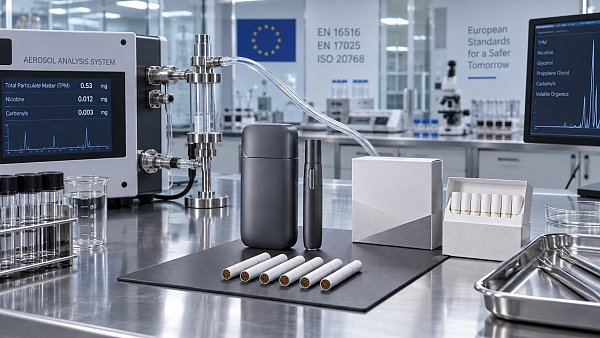
According to the information provided, the FDA now requires HPHCs testing for all new electronic aerosol devices, including smart disposable vapor devices, closed-loop aerosol systems, and ceramic microporous heat-conduction devices, to be based on full-lifecycle aerosol sampling under actual conditions of use. The guidance also states that testing must cover new delivery pathways, including induction-heated HNB, thick-oil aerosolization, and microporous ceramic coil structures.
The update was issued in the FDA’s PMTA Scientific Assessment Supplementary Guidance (v2.4) on August 3, 2026. Based on the confirmed information, the change directly affects PMTA submission pathways for manufacturers and is expected to influence testing costs. It also means overseas importers need to reassess how prepared their suppliers are for compliance.
Where the immediate pressure is likely to appear
PMTA preparation moves closer to real-use product behavior
From an industry perspective, manufacturers are the first group likely to feel the effect because the new wording links HPHCs testing to actual use conditions across the full lifecycle of the aerosol output. Analysis shows this is not just a documentation issue within PMTA filing; it reaches into how products are defined for testing, how device use conditions are represented, and how technical files are assembled before submission.
Product architectures with newer delivery routes face closer scrutiny
What deserves closer attention is the specific mention of newer delivery pathways such as induction heating HNB, thick-oil aerosolization, and microporous ceramic coils. For companies developing or sourcing these categories, the likely impact falls on testing design, product validation sequencing, and the readiness of supporting technical evidence. The practical concern is whether existing internal or supplier-side testing assumptions still match the FDA’s updated expectations.
Importers need a more detailed view of supplier readiness
For overseas importers, the issue is less about product branding and more about compliance depth inside the supply chain. Observably, if a supplier cannot support full-lifecycle aerosol sampling under real-use conditions or cannot explain how newer delivery paths were covered in HPHCs testing, the importer’s review burden increases. This may affect supplier screening, document requests, communication timelines, and launch planning for products intended for the U.S. market.
What companies should review now
Check whether current testing designs still fit the revised expectation
Analysis shows the first practical question is whether existing HPHCs testing protocols were built around real-use full-lifecycle aerosol sampling. Companies involved in PMTA preparation should compare current testing arrangements with the wording described in the guidance update, especially for products using non-traditional aerosol delivery structures.
Separate policy wording from operational readiness
It is more appropriate to understand this update as a compliance execution issue as much as a regulatory wording issue. A company may recognize the new requirement in principle, but the operational challenge lies in whether product samples, technical records, and supplier explanations can actually support the required testing scope when a PMTA file is prepared or updated.
Reassess supplier documentation and communication paths
For importers and supply chain-facing teams, a key point is supplier preparedness. What deserves closer attention is whether suppliers can provide complete testing support for smart disposable devices, closed-loop systems, or ceramic microporous heat-conduction products, and whether they can clearly address new delivery pathways referenced by the FDA. This has implications for compliance communication, supporting records, and delivery expectations tied to regulatory preparation.
Watch for follow-up clarification and implementation detail
Observably, the guidance update sets the direction, but companies still need to watch how the wording is interpreted in actual PMTA work. The most relevant near-term focus is any further official clarification, especially where real-use conditions, lifecycle sampling boundaries, and product-specific testing coverage may affect how teams plan submissions and allocate budget.
Why this reads as a regulatory signal, not just a wording update
Analysis shows this development should be read as more than a routine document revision. The explicit inclusion of newer aerosol delivery routes suggests the FDA is paying closer attention to how product innovation changes the basis for HPHCs assessment. At the same time, it would be premature to treat this as a fully settled end state for every product category, because the practical effect will depend on how companies translate the guidance into testing plans and PMTA evidence packages.
It is more appropriate to understand this as a clear regulatory signal with immediate operational consequences, rather than as a completed market outcome. The industry still needs to monitor how consistently this expectation is applied across different device formats and submission scenarios.
How the market should frame this development
At this stage, the FDA update is best understood as a concrete tightening of technical expectations around PMTA-related HPHCs testing for new electronic aerosol devices. The confirmed facts point to a higher compliance threshold for testing coverage and a likely increase in preparation complexity for affected products. For manufacturers and importers, the immediate issue is not broad market speculation but whether current products, suppliers, and submission materials can meet the revised testing logic described in the guidance.
From a neutral industry view, this is a development with both short-term operational impact and longer-term regulatory significance. It does not by itself determine final commercial outcomes, but it does change what companies need to verify now.
Basis of this report and what still needs verification
This article is based on the user-provided news title, event date, and event summary regarding the FDA’s August 3, 2026 release of the PMTA Scientific Assessment Supplementary Guidance (v2.4). Relevant source types for developments of this kind typically include official regulatory announcements, company disclosures, industry association updates, authoritative media coverage, and standard-setting documents.
A specific official source link was not provided in the input, so the original document link and any later interpretive materials still need ongoing verification. Follow-up attention should focus on subsequent official wording, implementation-related clarification, and how affected companies reflect the updated HPHCs testing scope in PMTA preparation and supplier compliance review.
Recommended News
 Sep 19, 2026What drives the cost of an automated vape assembly line?Vape Production Strategist
 Sep 18, 2026Are heated tobacco products in Germany regulated under the TPD?Dr. Silas Vance
 Sep 17, 2026What to verify before choosing a heated tobacco stick manufacturerThermal Pyrolysis Expert
 Sep 16, 2026What vaping industry intelligence reveals about smart disposable vape demandVaping Hardware Architect
 Sep 15, 2026How to assess a nicotine delivery technology supplier’s PMTA testing capabilityToxicology & Compliance Fellow
 Sep 14, 2026What should a vape risk management supplier audit verify?Dr. Silas Vance
 Sep 12, 2026How TPD rules shape e-liquid formulation science in EuropeDr. Silas Vance
 Sep 11, 2026What drives vape device engineering cost in a new product launch?Mr. Julian Thorne
 Sep 10, 2026What drives PMTA submission cost for a new vape product?Dr. Silas Vance
 Sep 09, 2026How induction heating defines the performance of HNB technologyThermal Pyrolysis Expert
 Sep 08, 2026Which vape export regulations must distributors verify before shipping?Dr. Silas Vance
 Sep 07, 2026What drives nicotine delivery technology cost for new products?Mr. Julian Thorne
 Sep 07, 2026What factors shape electronic vaping industry investment decisions?Mr. Julian Thorne
 Sep 04, 2026What is driving the next-generation nicotine products market?Mr. Julian Thorne
 Sep 03, 2026Which compliance requirements should be cleared before entering a vape market?Dr. Silas Vance
 Sep 02, 2026How is pod child resistant packaging tested for TPD compliance?Toxicology & Compliance Fellow
 Sep 01, 2026Which route to market best fits a UK vape market entry strategy?Mr. Julian Thorne
 Aug 31, 2026How to assess HNB technology compliance before entering the EU marketDr. Silas Vance
 Aug 30, 2026How battery discharge rate affects vape device engineering choicesToxicology & Compliance Fellow
 Aug 29, 2026How leak testing supports e-liquid leak prevention in closed pod systemsVape Production Strategist
 Aug 28, 2026What should a vape adverse event report include for PMTA compliance?Dr. Silas Vance
 Aug 27, 2026How PMTA testing shapes electronic vaping industry complianceToxicology & Compliance Fellow
 Aug 26, 2026What a vape industry innovation report can reveal about supply chain shiftsMr. Julian Thorne
 Aug 25, 2026How leak detection vape cartridges reduce fill loss in productionVape Production Strategist